
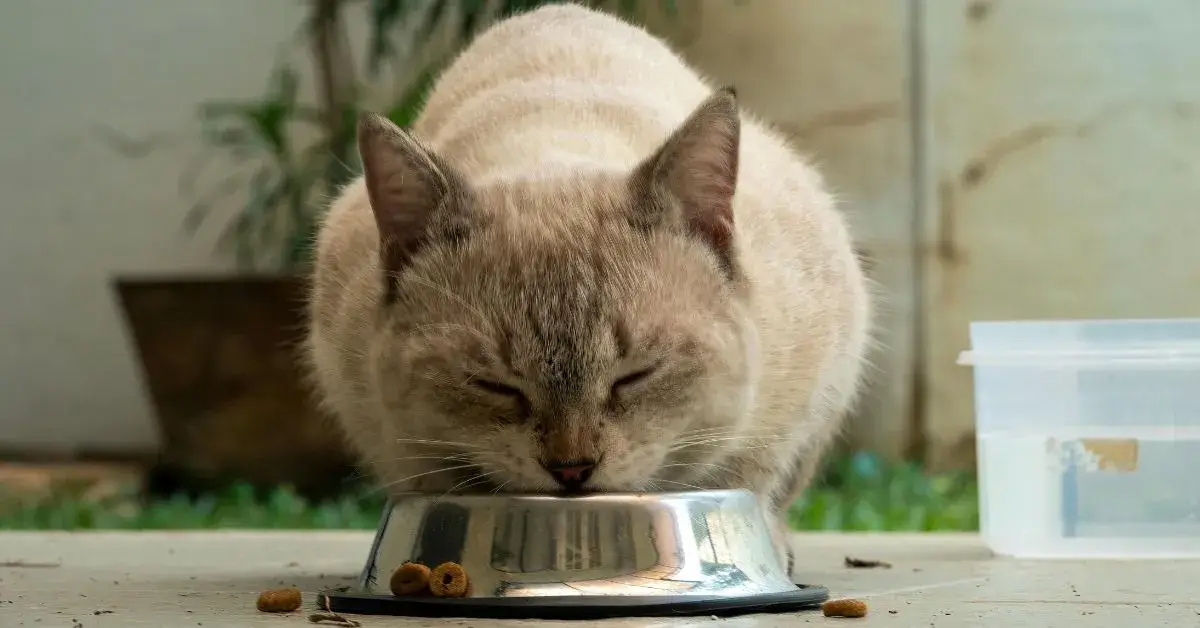

Why Taurine for Cats is Essential For Their Health
Taurine for cats is one of the most important nutrients in their diet as cats cannot produce it on their own. Without this essential nutrient, our furry babies can develop serious health issues, affecting their immune system, eyes, heart, and reproduction.
That said, what exactly is taurine and why do cats need it so much?
Well, we’ll show you how taurine works, the risks of deficiency, why it is an essential amino acid, and some of the best food sources that can help keep your cat healthy.
Let’s begin!
Key Takeaways & Insights on Taurine for Cats
- Taurine is key to healthy heart function, healthy vision, growth, and reproduction
- Cats need to get taurine from their diet as they cannot produce on their own
- Taurine deficiency can cause health issues, including vision loss and heart problems
- A complete diet can provide the taurine your cat needs to stay healthy
What is Taurine in Cat Food?
Taurine in cat food is an essential amino acid that supports a cat’s immune system, brain, heart, vision, and overall health. Since cats cannot produce this nutrient on their own, they need to acquire it from animal-based food or nutritionally balanced cat food.
Taurine for Cats Benefits – Why It Matters for Your Cat’s Health
Taurine plays a big role in many essential bodily functions, such as a healthy heart and sharp vision. With that in mind, let’s check the most important taurine for cats benefits and why taurine is so important for our furry babies’ overall health.
1. Vision & Heart Health
The most important role taurine has is keeping your cat’s heart and eyes healthy. Cats rely on taurine in their diet to maintain normal vision and proper heart function.
Without it, they risk developing a feline central retinal degeneration (FCRD), which is a condition that causes permanent vision loss. Moreover, this also increases the risk of dilated cardiomyopathy (DCM), which is a serious heart disease that weakens the heart muscles and reduces its ability to pump blood efficiently.
2. Growth, Development & Reproduction
Taurine for cats is also important in every stage of our furry baby’s life, but most importantly, during pregnancy, nursing, and kitten development.
A proper and adequate taurine intake helps support healthy fetal growth, helps the kittens to develop properly, and makes sure that mother cats can meet the increased nutritional demands of reproduction.
a) Why Taurine is Essential for Kittens
Diving a bit deeper, taurine is key to a healthy development of kittens, before and after their birth. This amino-acid supports the growth of their eyes, brain, nervous system, and vital organs, which helps kittens to build a strong foundation for a healthy life.
Taurine deficiency during pregnancy, on the other hand, can lead to developmental abnormalities, neurological problems, impaired vision, and overall poor growth. Therefore, it is essential for us to provide enough taurine during the pregnancy and nursing stage to help give the kittens the nutrients they need during their most important stages of development.
b) Taurine Benefits for Pregnant & Nursing Cats
Consequently with our previous point, pregnant and nursing cats require higher levels of taurine as it helps support their own health and the rapid growth of their kittens.
For these reasons, it is of vital importance that these nutritional needs are met as it will help promote healthy pregnancy, better milk production, and overall proper kitten development.
To make sure your pregnant cat has adequate taurine intake, do the following:
- Feed a complete and balanced diet formulated for growth, pregnancy, or nursing
- Choose high-quality, animal-based cat food that naturally contains taurine
- Avoid homemade diets unless they have been formulated by a veterinary nutritionist
- Consult your veterinarian before adding taurine supplements
A diet rich in taurine can help support healthy pregnancies and give kittens the best possible start to their lives, especially in the earliest stages.
With that in mind, when you choose cat food for a pregnant or nursing cat, make sure to select a balanced and complete formula that is designed for growth or reproduction. Many quality kitten foods contain high levels of taurine, making them a good choice both for the mother and her kittens.
🐾 Providing enough taurine throughout pregnancy and nursing helps support the mother’s health while giving kittens the nutrients they need for healthy growth and development from the very beginning.
What Are Good Taurine in Cat Food Sources?
Good taurine food sources are meat, poultry, and fish, since they are natural dietary sources of essential amino acids. Taurine, though, is found almost exclusively in animal tissues, which means a quality meat-based diet is the best way to meet your furry baby’s daily nutritional needs.
The best sources of taurine in cat food include:
- Chicken
- Beef
- Turkey
- Lamb
- Tuna
- Salmon
- Sardines
- Organ meats (heart and liver)
Most commercially available cat foods are also fortified with taurine to ensure they provide adequate amounts, as some natural taurine can be lost during food processing and cooking. That’s why it is important to look at the amount of quality animal proteins within the cat food formula to help support your cat’s long-term health.
What Are the Most Common Symptoms of Taurine Deficiency in Cats?
Taurine deficiency can have serious consequences on several vital body functions with the most common symptoms being the following:
- Loss of appetite
- Vision loss or impaired eyesight caused by retinal damage
- Lethargy and reduced energy levels
- A weakened immune system, which may make cats more susceptible to illness
- Dilated cardiomyopathy (DCM), a disease that weakens the heart muscle
- Poor growth and developmental problems in kittens
- Reproductive complications in breeding cats
Since many symptoms develop gradually, they may go unnoticed until the deficiency has already affected your cat’s health. The good news is that taurine deficiency is highly preventable.
Feeding a complete and balanced commercial cat food that meets your cat’s nutritional requirements is usually enough to provide adequate taurine. Taurine supplements should only be used if recommended by your veterinarian, particularly if your cat has an underlying medical condition or requires a specialized diet.
However, it is also important to note to be careful as too much taurine for cats can have consequences. When we had Kiki, we gave her wet food rich in taurine on a daily basis, and she turned into a very aggressive beast with a greasy coat. She would constantly jump, become very aggressive with her tail puffed up and would aggressively scratch us.
One of the biggest side effects of giving food with a lot of taurine in it was that Kiki’s coat became very greasy. Once we dialed back, she went back to the cute little cuddly baby with a smooth skin and coat.
🐾 If you notice any of these signs, schedule a veterinary examination as soon as possible. Early diagnosis and treatment can help prevent further complications, although some conditions, such as retinal degeneration, may be irreversible if left untreated.
Wrapping Up
Taurine is one of the most important nutrients in a cat’s diet and supports heart function, growth, healthy vision, reproduction, and overall health and well-being. Deficiency can lead to serious health issues, but it’s also one of the easiest problems that can be prevented by feeding a balanced and rich-in-taurine diet.
As a purr-ent, your biggest takeaway is simple – choose food that meets your furry baby’s nutritional needs and pay attention to any sudden changes in their health. To avoid this from happening, always make sure to consult your veterinarian and provide adequate amounts of taurine for cats to have a healthier and happier life.
