
Welcome to PurrfectlyKiki!
At PurrfectlyKiki, our mission is simple – to help all cat purr-ents give their life-long furry companions the happiest and healthiest lives possible through vetted and reliable information, practical advice, and all a cat purr-ent would need to understand, care for, and nurture their cats.
Did you know that there are over 600 million cats worldwide? From house cats to strays that are searching for a safe place to call home, cats are an everyday part of our lives.
At PurrfectlyKiki, we aim to make cat care easier to understand as every one of them deserves full understanding, proper attention, and lots of patience.
Here, you will find all sorts of practical guides, from nutrition to grooming and health, useful tips on behavior and playtime activities, and various helpful tools to give your furry baby a happy and fulfilling life.
It does not matter if you are welcoming your first kitten or looking to become a better cat purr-ent, let’s make life better for our cats, one paw at a time!

How to Take Care of Me
When you decide to take me home, please remember that I am becoming a part of your family. I can be a great furry companion to children, adults, and other pets, and I will make sure to bring in lots of love, joy, and playful moments.
However, please know that I am a long term commitment. Many cats live about 10 to 15 years, or even longer with proper cat caring. That said, I am a living being with feelings, needs, demands, and sometimes I might cause trouble while I am playing or exploring, so please be patient with me.
To live longer, please keep me away from the streets, have me spayed or neutered, and take good care of me. Also, I tend to sleep for 12 to 16 hours during the day and my average length is 18 inches (46 centimeters).
Primary Cat Care – Bringing Your New Cat Home
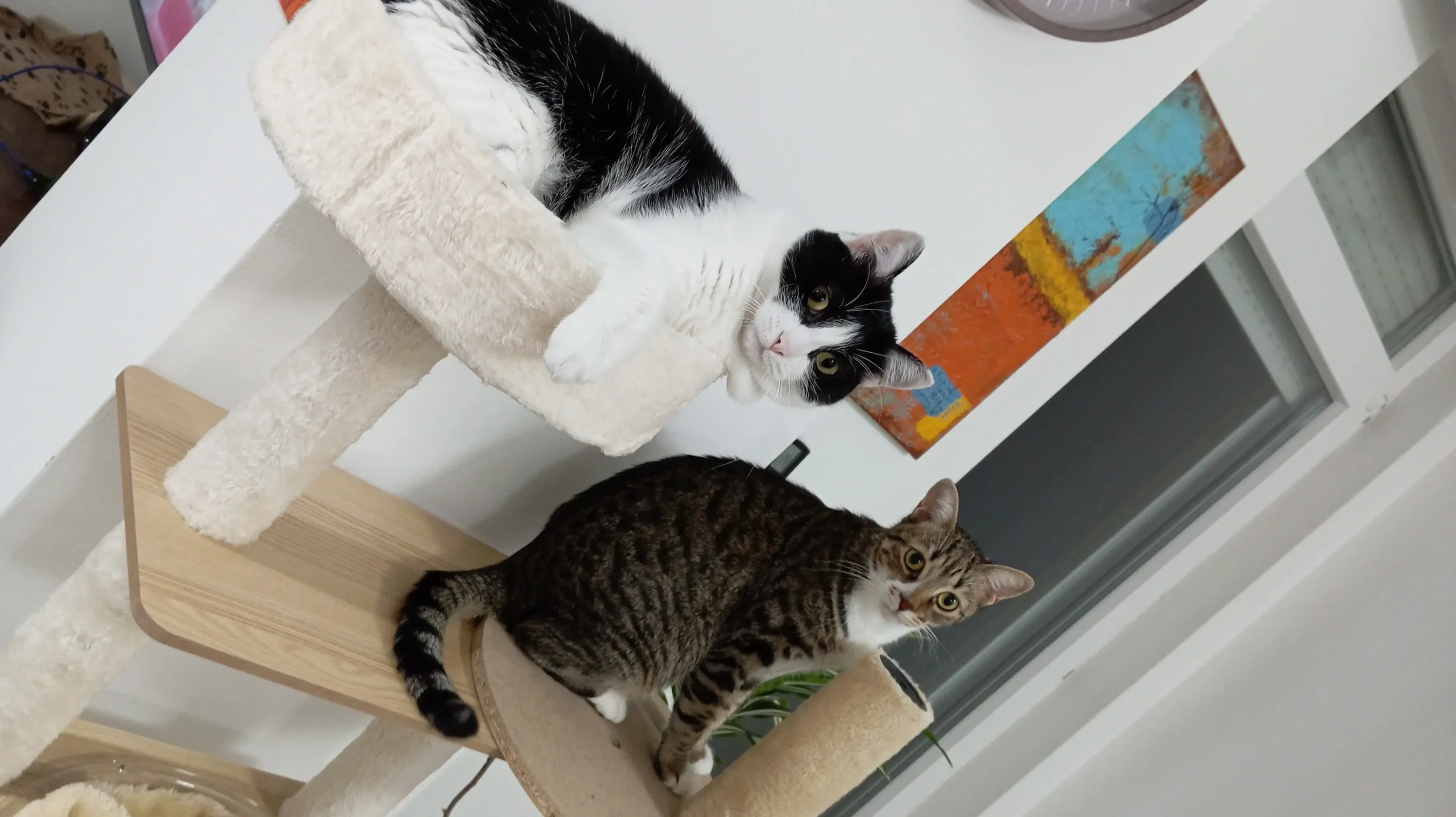
From the very first day I enter your home, I will be confused and nervous because everything is unfamiliar and I need time to explore my new surroundings. Occasionally, I might have accidents outside the litter box, or I may scratch your sofa or furniture while adjusting. When this happens, please be patient with me and don’t scold me. Please remember that I am still a baby and need time to adapt to the new environment.
When it comes to food, please provide a balanced diet that is suitable for my age, along with plenty of fresh water every day. Make sure to leave food in the bowl and lots of water bowls in multiple places for me to find and drink from. If you see me eating and drinking water a lot, that is encouraging. Though please also give me 2 to 3 days for me to get fully relaxed in my new home.
Once I start to settle in, we can create routines, encourage good habits, like using the litter box, not scratching where I am not supposed to, playing with toys, and finding a good place for me to sleep in.
Cat Nutrition & Food
Food is very important during my first year as nutrition helps to support my growth and long term health. For this reason, please make sure I eat a complete and balanced food with plenty of calories, minerals, vitamins, and other key nutrients that my body needs to develop properly.
Taurine is one of the most important nutrients and is an essential amino acid that my body cannot produce on its own. Unlike humans, I need to acquire it through diet, which is important for you to look for cat food that is formulated to meet my nutritional needs.
The best thing you can do is feed me both dry and wet food specialized for kittens up to 12 months old. Each package will include the feeding guidelines that will help you to determine how much food I need.
However, I might love wet food more, but please be careful and remember that both wet and dry food can be part of a healthy diet, as long as you provide appropriate portions to meet my daily calorie needs. Dry food also comes in various formulations, such as:
- Food designed to help manage hairballs
- Food formulated to support urinary tract health
- Food for spayed or neutered cats
- Food for different life stages
- Special diets for certain allergies or medical conditions
Please avoid giving me human food and choose specially formulated food for cats only. Always check the feeding guidelines, type of food I need, and frequency per day.
When I am a small kitten, please make sure to:
- Feed me about 3 to 4 times a day
- Make sure I drink plenty of water
- Monitor my litter box habits for changes
When I grow and become an adult cat, please make sure to:
- Feed me at least twice a day
- Continue making sure I drink plenty of water
- Take care of my coat and skin through regular grooming
- Keep an eye on my litter box habits, as changes can sometimes indicate health problems

4 Ways to Choose Cat Food
Learn how to choose the right cat food for your furry baby with these 4 main principles.

How Much Should a Cat Eat?
Check out the essential 4 charts that determine how much should your cat eat.

3 Types of Food to Feed Your Cat
Take a look at the 3 types of food you should feed your cat, depending on their needs.
Cat Water & Hydration
Water is equally important to keep me hydrated and support my overall health. If you feed me dry food most of the time, then make sure I have access to fresh and clean water, with lots of bowls placed in convenient places throughout the home for me to drink whenever I need to.
A cat water fountain can also be a great addition as I might also prefer to drink from moving water. Wet food is another good option to increase my water intake as it contains more moisture than dry food, so including it in my diet can help support my hydration.
Above all, please provide constant access to fresh and clean water at all times as this helps me to comfortably drink from every water bowl and fountain available.
Cat Litter Box Essentials
When it comes to litter boxes, please choose a quiet and accessible place for my litter box. This will help me feel safe and comfortable when I am doing my business and I can easily and quickly find it if I need to go in a hurry.
Try to keep it away from my food and water bowl and always keep it in the same area. You can use clumping or non-clumping litter, but make sure to choose one that is easy to maintain and is also suitable to my needs.
Some litters are scented and have strong fragrances that can put me off, so start with an unscented option and see how I react.
If I dislike a particular type of litter, please be patient with me and pay attention to how I respond. If I avoid the litter box, check to see if the litter, location, or accessibility might be an issue.
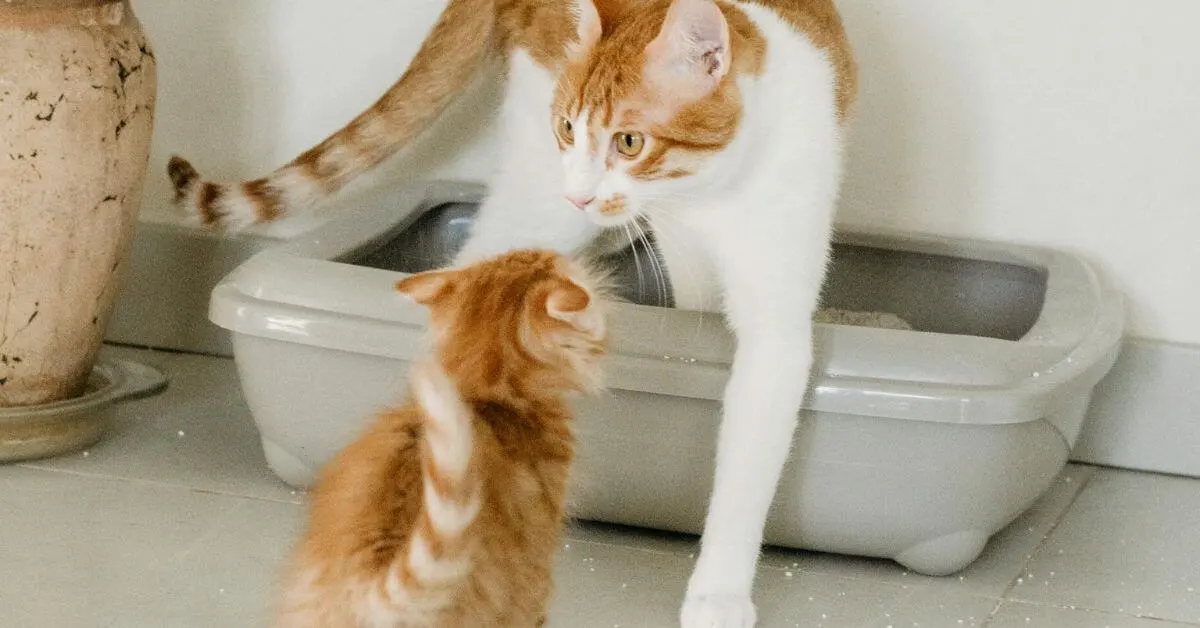
How Often Cats Use The Litter Box?
Check out how many times a cat should use the litter box depending on their age and lifestyle.
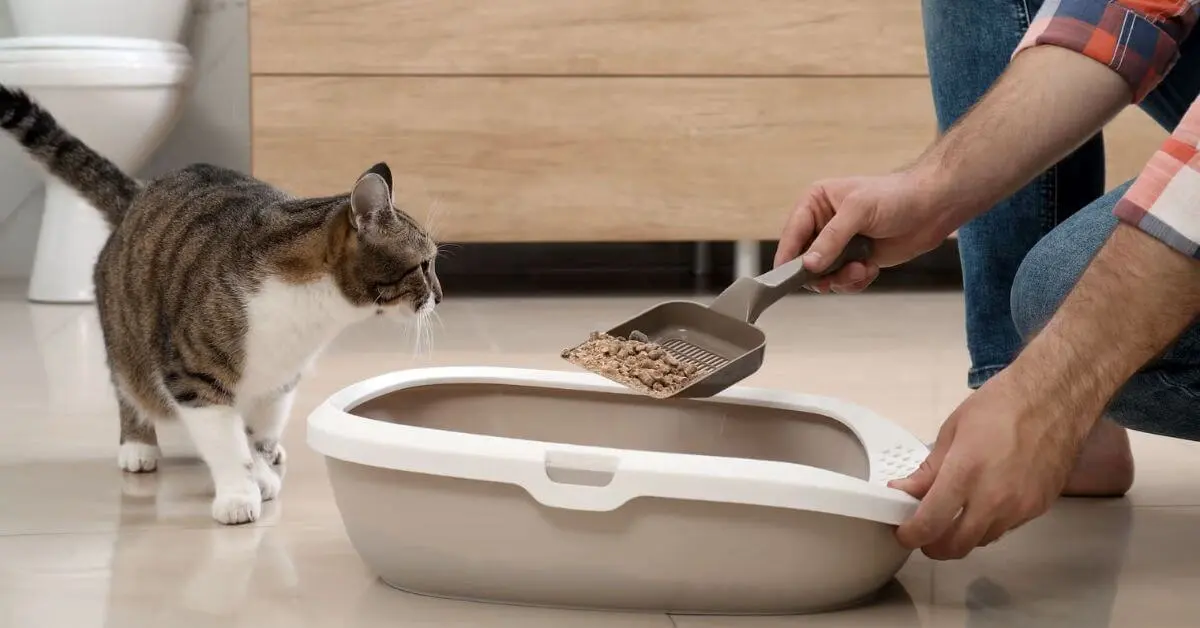
How to Clean a Litter Box
Take a look at our step-by-step guide with image illustrations on how to clean your cat’s litter box.
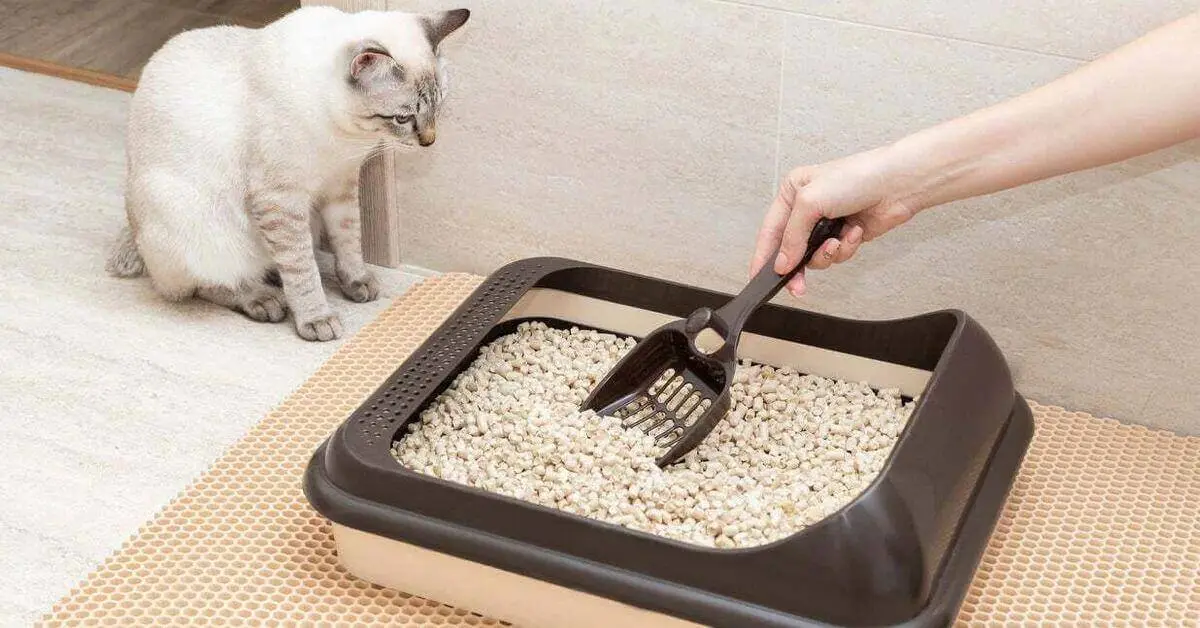
How Often To Change Cat’s Litter
Let’s see how often you need to scoop, fully replace the litter, and clear signs it needs changing.
Cat Grooming & Hygiene
Once I have fully settled in my new home, you can introduce me to grooming by brushing my coat, gently cleaning my face, or taking care of my general hygiene. It is easier to start and build a habit while I am still a kitten, as it will help me to become familiar with the routine and also create a wonderful bonding experience!
You can start with the following:
- Brush my coat regularly, depending on its length and grooming needs
- Gently wipe my face when necessary
- Check my paws and rear end after I have used the litter box
- Use pet-safe wipes specifically designed for cats when needed
- Get me accustomed to regular toothbrushing with a cat-specific toothbrush and toothpaste
- Bathe me only when necessary, as most cats can keep themselves clean through regular grooming

How to Groom a Cat
Take a look at the top 10 benefits of grooming your cat and a simple guide on how to groom your cat.
Cat Health & Wellness
When it comes to my general health and well being, please protect me against internal and external parasites, including worms, ticks, and fleas. By making sure I am protected, I will stay healthy and avoid problems caused by these unwanted visitors.
When I am still small and in my kitten phase, I will need adequate treatment against internal and external parasites. So, please consult a veterinarian to choose the right medication based on my age, health, and weight, as not all products are suitable for young kittens.
As I grow, I will also need regular parasite prevention, which may include monthly or longer-lasting treatments depending on the product. Please follow the recommended schedule and arrange regular veterinary checkups to monitor my health and keep my vaccinations up to date.
| Age | Recommended Measures |
|---|---|
| 6 to 8 weeks | First core vaccination |
| Every 3 to 4 weeks afterward | Booster vaccinations until at least 16 weeks of age |
| Around 12 weeks or later | Rabies vaccination, depending on local regulations and the vaccine used |
| Around 6 months | Follow-up vaccination assessment, as recommended by my veterinarian |
🐾 Please make sure to keep me indoors and away from potentially infected animals until I complete my initial vaccination series and my veterinarian confirms that I am sufficiently protected. I may still be vulnerable to certain infections while my immune system is developing, so take extra precautions during this period.

What is the Ideal Weight for Cats?
Check out our charts and infographics on the average and ideal weight for cats.
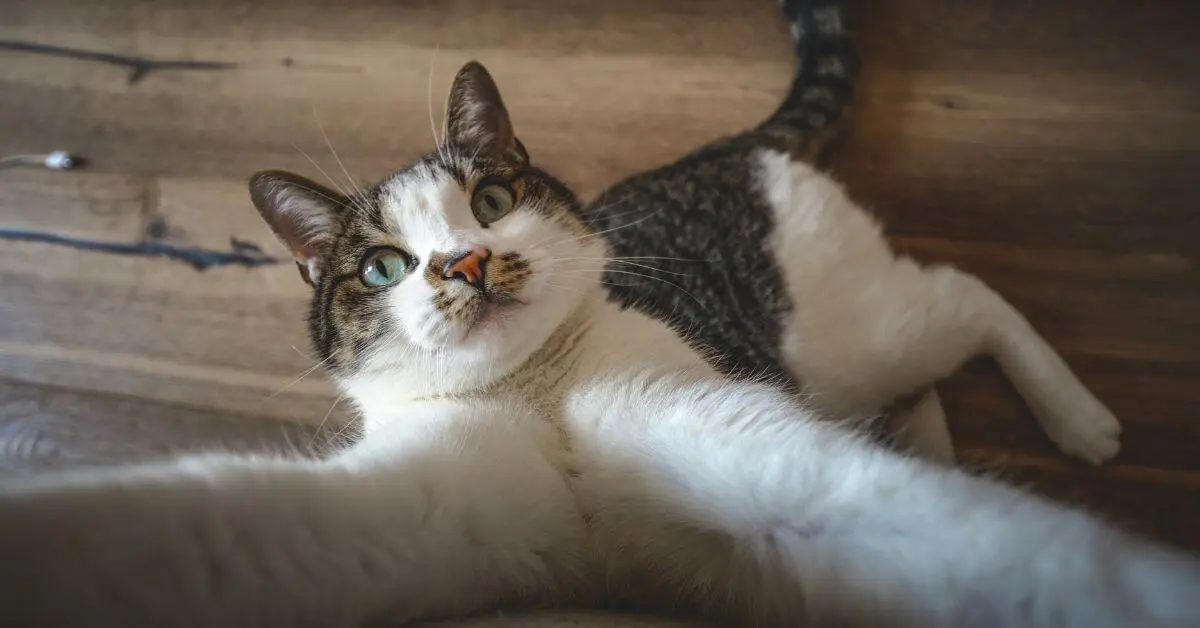
Normal Cat Activity Levels
How much exercise do cats really need? Let’s find out how regular activity keeps cats healthy.

9 Warning Signs Your Cat is Sick
Take a look at the 9 most common signs that your cat is sick, what to do, and when to call the vet.
Cat Behavior & Lifestyle
Please create a special corner in your home where I can play, explore, and relax, with a cozy place to sleep and enough room for my toys and other essentials. Additionally, you can also place my litter box nearby, but make sure it is separated from my sleeping and feeding areas.
In terms of toys and other items, the following can help me stay active, sharpen my claws, and satisfy my natural hunting instincts:
- Cat trees
- Scratching posts
- Climbing towers
- Mice-like toys
- Furry and/or feathered toys
These will help provide a lot of physical exercise and mental stimulation for me, while also keeping me entertained and preventing boredom.
Moreover, I know I ask a lot, but I would also love it if you joined in on the fun and played with me from time to time. We can chase each other or you can use laser pointers or feather wands for me to chase around. This will help us bond further and make sure I feel loved!

How Often to Play with Your Cat?
Check out these 5 signs that your cat wants to play and how often you should engage in playtime.
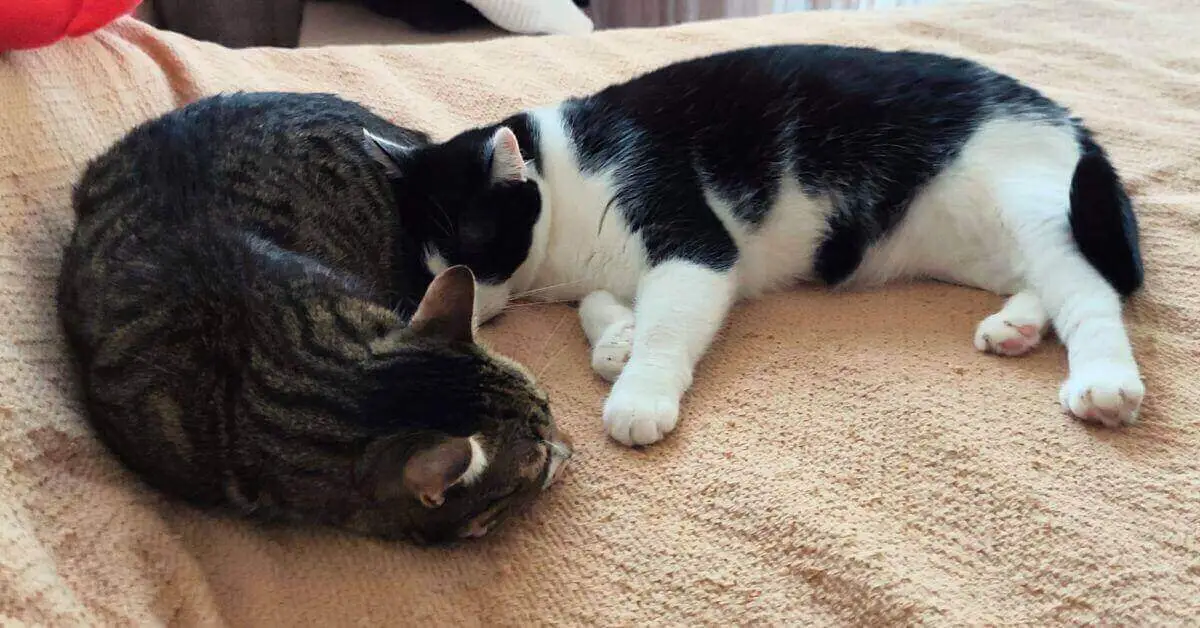
How Much Do Cats Sleep?
Find out just how much cats sleep each day and why they sleep so much.

5 Most Popular Types of Cat Toys
These are the 5 most popular types of cat toys according to our experience and findings.
Cat Care Tips & Advice
As part of taking care of me, please keep an eye on my health and well being and pay close attention to any unusual changes in my appearance, behavior, or daily habits.
Here are a few cat caring tips you can take note of:
- Ear cleanliness and unusual discharge
- Nail length and condition
- Coat and skin health
- Frequent vomiting
- Loss of appetite or reduced water intake
- Lack of interest in playing or usual activities
- Sudden changes in behavior
- Signs of allergic reactions, such as itching or skin irritation
- Excessive gas or unusual digestive problems
- Persistent bad breath
🐾 If you notice any of these signs, please contact your veterinarian and arrange a health checkup. Some changes seem minor, but they can indicate an underlying health problem, so it’s always better to have them checked.