
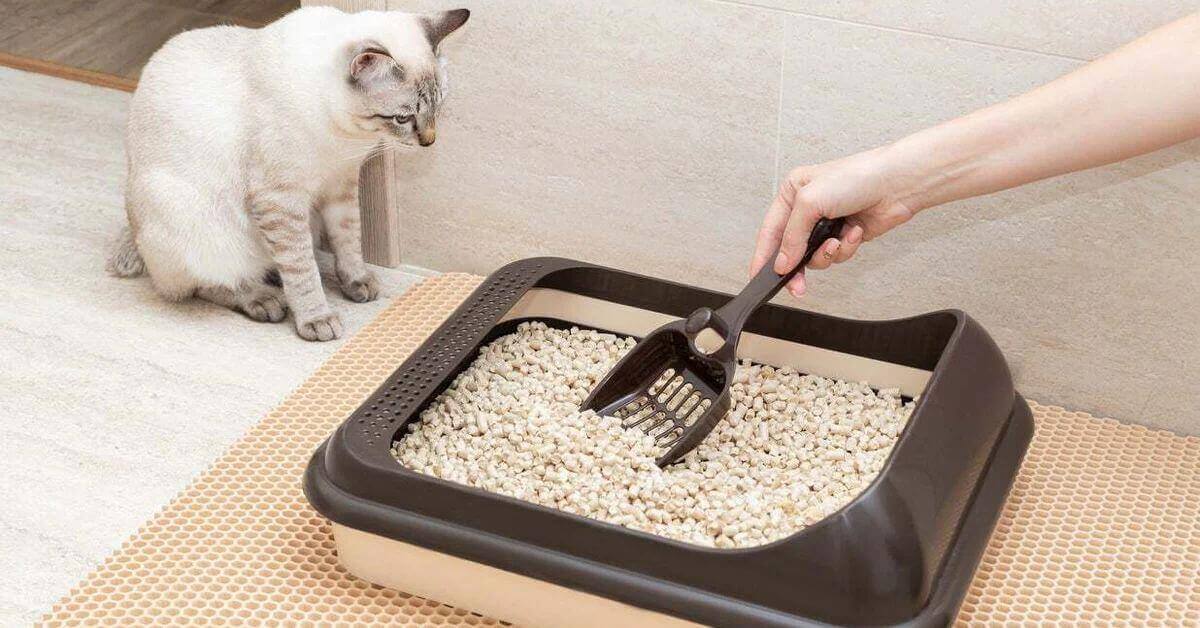

How Often Should You Change Your Cat’s Litter
Figuring out how often to change your cat’s litter is all about keeping things clean and directly affecting your cat’s health.
A well maintained litter box keeps bad odors away, helps prevent health issues, and keeps your furry baby consistent in their habits.
Let’s break down how often you need to scoop, when to fully replace litter, and what are the clear signs that it is time for a change.
Key Takeaways
- Daily scooping is non-negotiable, no matter what type of litter you use
- How often you fully replace litter depends on the type and how many cats are using the box
- Strong odors, visible buildup, or avoidance are clear signs you’ve waited too long
- A consistent routine keeps your cat comfortable and prevents mess before it starts
How Often to Change Cat’s Litter
First things first, you need to know that not all cat litter works the same and this is where most people get it wrong. What type of cat litter you use plays a direct role in how often you are going to need to fully change it.
With that in mind, one rule never changes, and that is that you need to scoop and clean your cat’s litter every single day.
Here’s a breakdown of how often to replace different types of cat litter so you don’t end up guessing.
| Type of Litter | Scoop Frequency | Full Change Frequency |
|---|---|---|
| Clumping Clay | 1 per day | Every 2 to 4 weeks |
| Non-Clumping Clay | 1 per day | Every 1 to 2 weeks |
| Silica Gel Litter | 1 per day | 1 per month |
| Plant-Based Litter | 1 per day | Every 1 to 3 weeks |
| Paper or Wood Pellets | 1 per day | Weekly |
What Actually Affects How Often You Should Change Cat Litter
There is no universal schedule for cleaning your cat’s litter box, as your setup, your cat, and your home all affect this.
What really moves the needle is the following:
- Number of Cats – more cats means more waste, faster odor buildup, and more frequent changes
- Litter Box Size – smaller boxes fill up faster and most people underestimate how much that matters
- Litter Quality – cheap litter breaks down quickly and stops controlling odor, while higher-quality options last longer because they clump better and trap smells more effectively
- Airflow – good ventilation slows down odor, while cramped, closed-off spaces make everything worse
- Your Cat’s Habits – some cats are clean and predictable, others kick litter everywhere or seem to have the worst timing possible.
These are the 5 essential elements that greatly affect the nature of cleaning and frequency of changing a litter box. Now, let’s see the most common signs that it is time to fully change your cat’s litter.
Signs That It’s Time to Change the Litter Completely
Even if you are scooping on a daily basis, there comes a point when the litter is done for. If you ignore this, problems may pile up, so watch out for these signs:
- Lingering odor that doesn’t go away after scooping
- Litter that looks damp, dark, or broken down
- Waste sticking to the bottom or sides of the box
- Excessive scratching or digging
- Avoiding the litter box or going outside of it
- More tracking and mess around the box
All of these are not minor inconveniences, they are a clear signal that you have pushed it too far. When this happens, make sure to change the litter completely and reset the box before it turns into a bigger issue.
Why Regular Litter Changes Matter for Overall Health
Scooping daily helps, but it’s not enough on its own. If you let the litter sit for too long, you are creating a breeding ground for bacteria and parasites.
Cat waste can carry things like roundworms and toxoplasmosis, which can also spread to humans. On top of that, poor litter hygiene can contribute to infections that may affect both you and your furry baby.
For cats specifically, a dirty litter box can lead to:
- Urinary tract infections
- Feline interstitial cystitis (FIC)
- Bladder stones and urine crystals
- Stress-related behavior issues
These are not minor issues, they can be very painful, serious, and often expensive to treat. If you do notice signs like straining, blood in urine, vomiting, low energy, or even appetite loss, don’t wait or hesitate. Get your cat checked by a vet immediately.
Other Factors That Can Force You to Change Litter More Often
Even if your setup is right and you have a solid routine, some situations will push you to reset the litter box more frequently, such as the following:
- Multiple cats using the same box
- Cats that urinate more often than usual
- Smaller litter boxes that fill up quickly
- Warm or humid environments that speed up odor buildup
- Cats that dig aggressively or track litter everywhere
If your household has more than one cat, you will probably need to scoop more than once a day and replace the litter more often.
We have two big closed-top litter boxes for both Kiki and Lily and we scoop once a day and sometimes we do it twice a day, depending on how active our furry babies are. There are no shortcuts here.
Summary
Changing your cat’s litter regularly is all about preventing problems before they arise. When the litter box is clean, your cat stays consistent, there are no bad smells in your home, and you avoid unnecessary stress.
Failure to often change cat litter can turn small issues into bigger ones quite quickly. So, pick a routine and stick to it, adjust when necessary, and always treat litter maintenance for what it is, a basic part of keeping your cat healthy.
