
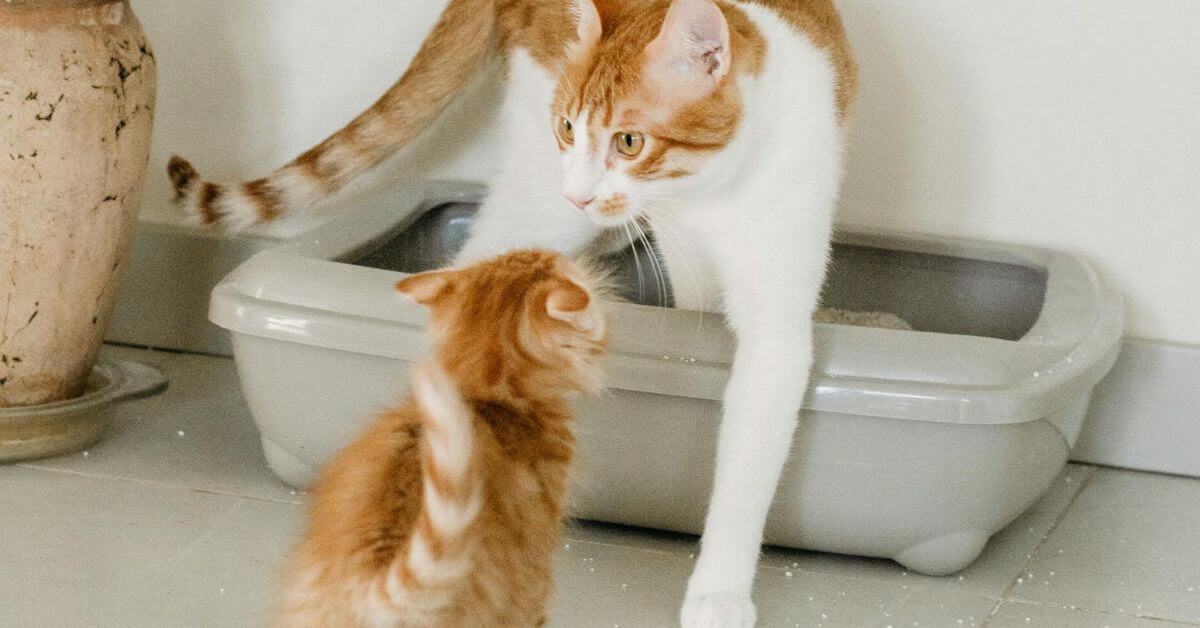

How Often Do Cats Use The Litter Box – Healthy Habits
A healthy cat should use the litter box at least 1 to 6 times per day, depending on their age and lifestyle.
Most cats use the litter box multiple times per day, with age, hydration, diet, and stress influencing that pattern.
This is one of those topics that many purr-ents rarely think about or discuss, until something feels off. So, let’s dive into the details and see how frequently cats use the litter box.
Key Takeaways
- Most healthy cats use the litter box between 1 and 6 times per day, depending on age, diet, and hydration
- Consistency is more important than numbers, and sudden changes are often the first sign of a health issue
- Kittens and senior cats tend to go more often, while adult cats usually follow a steady routine
- Behavior changes like straining, avoiding the box, or accidents are red flags that you should not ignore
Cat’s Health & Litter Box Frequency Usage
Cats are very consistent with their habits, and on average, the frequency in which your cat should use the litter box ranges from as little as 1 time per day up to 6 times. That said, this range isn’t just a random number as it depends on age, hydration, diet, and overall health and well-being.
Kittens and senior cats tend to use the litter box more often than adult cats, who would usually settle for a consistent routine. It is important to monitor the frequency as it is the best and most powerful way to track your furry baby’s overall health.
Small changes, such as behavior, frequency, or amount of litter can show up before the obvious symptoms.
The best way to notice if something is off with your cat’s health, it is the litter box habits. Most common issues may include the following:
- Urinary tract infections, where your cat may strain or make frequent trips with little output
- Kidney disease, which often shows up as increased thirst and more frequent urination early on
- Diabetes, leading to excessive drinking and constant trips to the box
- Digestive problems like constipation or diarrhea that disrupt normal use
These are not minor problems and you should never ignore them as they can escalate quite quickly if not addressed. This is why regular vet visits are necessary as veterinarians can pay close attention to litter box patterns.
How Often Do Cats Use The Litter Box?
The Cornell Feline Health Center states that healthy adult cats have a very predictable pattern that looks like this:
- Urination – 2 to 4 times per day
- Bowel Movement – 1 to 2 times per day
Consistency is what matters most, though sometimes a little variation is quite normal. We’ve noticed that our Kiki visits the litter box at least 4 to 5 times per day. We ensure to clean the litter boxes each day at the same hour.
🐾 If your cat suddenly starts going a lot more or a lot less than usual, this is a sign to pay attention and maybe visit the vet.
How Often Do Kittens Use The Litter Box?
Kittens are different from adult cats as their metabolism is faster and they have smaller bladders. This means frequent trips to the litter box with usually smaller litter.
For kittens, these are the normal numbers:
- Urination – 5 to 6 times per day
- Bowel Movement – 2 to 3 times per day
As kittens grow, so do the number of times they visit the litter box during the day. Our Lily, which just recently grew into an adult cat, did so exactly the same. There is one funny comparison to Kiki that we noticed and it was that Lily’s litter was so small that we instantly knew that was hers.
🐾 If a kitten skips the litter box for more than 12 hours, this is something to act on as it could point to dehydration or a different issue.
How Often Do Senior Cats Use The Litter Box?
Senior cats tend to change habits as they age, which is quite normal, though these shifts can go either way.
For senior cats, there are no fixed number of times they use the litter box, so instead, pay attention to this:
- Lower Frequency – they use the litter box less often because of lower food and water intake
- Higher Frequency – they use the litter box more often because of conditions like hyperthyroidism or kidney disease
Senior cats are more vulnerable to chronic health problems and this is where consistency matters more than basic numbers. Pay attention to frequency and consistency, especially in times of the day when senior cats usually use the litter box.
🐾 Small changes can be early warning signs and catching them as early as possible can make a big difference.
Factors That Influence Frequency of Use
A cat’s routine and litter box habits are not random. They are shaped by everyday factors like diet, hydration, comfortability in the environment, and safety above all. When there is a change, there is also a pretty good reason behind it.
Most common factors that can influence this include:
- Age – kittens and senior cats tend to have less predictable habits than healthy adults
- Diet – what your cat eats affects digestion and overall frequency
- Hydration – more water intake usually means more frequent urination
- Health – issues like urinary infections or kidney disease can quickly change normal patterns
The most important aspect is to know what is normal for your cat and to pay attention when something shifts. Here are the 3 most important factors that can affect how your furry baby uses the litter box:
1. Diet and Water Intake
What your cat eats and how much water it drinks play a big role. Cats on wet food tend to urinate more often because wet food is high in moisture, which is a good thing. Essentially, cats should pee as often as 2 to 4 times in 24 hours.
Proper hydration supports urinary health and helps lower the risk of crystals, which is among the most common causes of urinary issues in cats.
2. Stress, Environment, and Territory
Cats are very sensitive to changes and stress can creep up fast in their litter box habits. Introducing a second cat, moving to a new place, or even a tiny routine shift can throw them off. Many cats avoid the litter box when this happens as they don’t feel safe. Sometimes, though, a cat only uses the litter box twice a day, in which case they make the extra effort to use the litter box, while not falling prey to the surroundings.
Here’s a simple rule you can follow – have one litter box per cat, plus an additional one as extra, then keep the litter boxes in a quiet and low-stress area.
3. Medical Issues to Watch For
Sometimes, the main cause can be medical. Frequent urination can point to problems like urinary tract infections or even diabetes. Visiting the litter box less frequently can also be linked to kidney issues or dehydration.
On the flip side, a cat only uses the litter box once a day may mean it has issues with constipation. Moreover, digestive problems like diarrhea can also affect how your furry baby uses the litter box.
So, pay attention to sudden or extreme changes and don’t wait it out, act on it, and get a vet check.
Tips to Maintain a Healthy Routine
Now that we’ve covered even the most common factors, here’s what you can do to control the basics and maintain a healthy routine:
- Keep the litter box clean – scoop daily and refresh it regularly
- Have enough boxes – one per cat, plus one extra, no exceptions
- Use the right litter – if your cat avoids the box, the litter might be the problem
- Support a solid diet – good nutrition and hydration keep everything running smoothly
- Stay on top of vet visits – routine check-ups catch issues before they escalate
Signs Your Cat Uses The Litter Box Too Much
Frequency does not necessarily mean only good things or the only thing that matters. How your cat behaves in and around the litter box can pretty much tell you all you need to know.
With that in mind, if your cat uses the litter box a lot, then pay attention to these signs:
- Urinating more than 5 to 6 times a day
- Not urinating for over 24 hours
- Changes in urine or stool color, smell, or consistency
- Straining, crying, or staying in the box longer than usual
- Avoiding the litter box completely
- Having accidents outside the box
These are not quirks or tantrums, these are clear warning signs. If you notice any of these, it’s time to involve the vet before things get worse for your furry baby.
Wrapping Up
A cat should use the litter box anywhere up to 6 times per day as it is one of the clearest signs of their overall health and well-being. Most cats follow a consistent routine, though even a small change in behavior, frequency, or appearance can be a sign to act. Factors like diet, hydration, age, and stress play a role, but a sudden shift should never be ignored.
To stay on top and ensure your cat’s health is always optimal, become familiar with your furry baby’s patterns and habits. More importantly, stay consistent when cleaning the litter box, ensure a proper setup, and never hesitate to call the vet when something feels off.
This simple habit can make a huge difference in your cat’s long-term health.
